DHIS2 Overview
Philosophy
To understand what DHIS2 is trying to achieve, we have to understand some of thoughts and philosophy behind the project.
Foundations
Users know best
Users know best what they need in a situation which means that we need to involve users in the development phase and they should be able to adapt the technology to some degree. The adaptation can be in the form of selecting some settings that fit them better without having to know the technical details of the technology.
With users we mean end users: the health workers that end up using the technology in clinics and other medical facilities.
Open source and open knowledge
From the start DHIS has aimed to be a fully open source system where the entire source code can be read by anyone who wants to. Knowledge sharing often naturally accompanies open source systems, and DHIS is no exception; documentation, documents, guides, tutorials etc. are shared for everyone to access through web sites and other mediums.
Software development
Generic features
Features in the DHIS2 core system should be generic and be relevant across countries and use cases. DHIS2 is used in many countries and they all have different use cases with different background using it for many different things. DHIS2 should still be applicable in all these diverse settings.
This is of course not any easy thing to do. How do you make techonology that is locally relevant for close to a hundred different countries across hundreds of thousands of users?
User input and feedback
The software should be developed in a participatory fashion where user input and feedback impacts the end product. This can be hard to do when you reach the scale of DHIS2, but the philosophy is still there and is attempted to be followed as much possible.
Free and evolving
The goal of DHIS2 is and always has been to be completely free, but we also want it to be evolving and be improved over time. But who will pay for this evolution, improvement and development?
Towards a platform
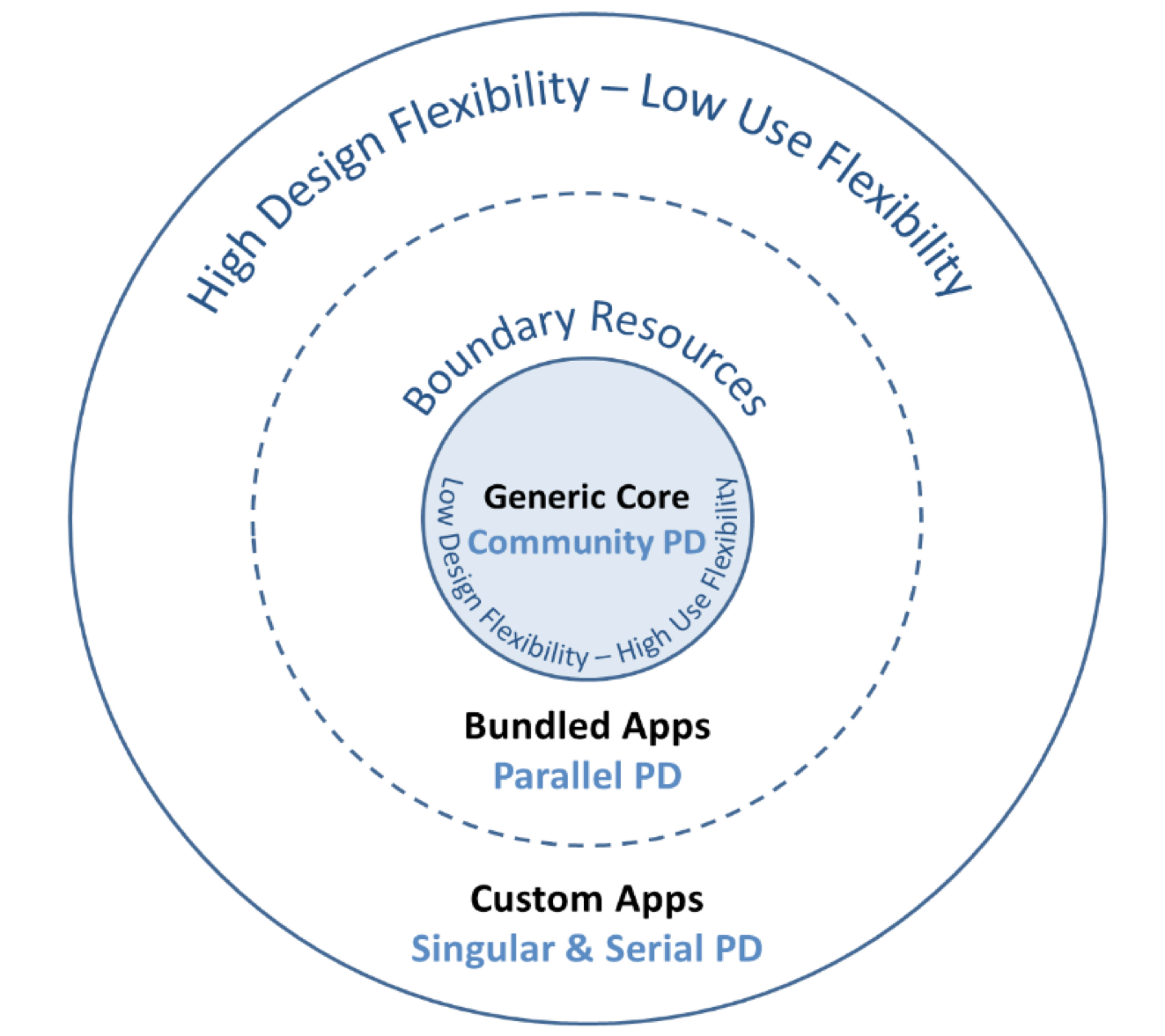
As DHIS2 grew in scale, it slowly converged towards a platform where the static generic features were kept in the core and an API allowed third party applications to integrate themselves into DHIS2 systems and through that provide dynamic behavior.
Support health management
A primary concern for DHIS2 is to support health management. Most health events tend to be routine occurances like immunizations, seasonal diseases, pregnancies and so on which is why DHIS2 mainly focuses on routine monitoring and evaluation and programme-specific case management.